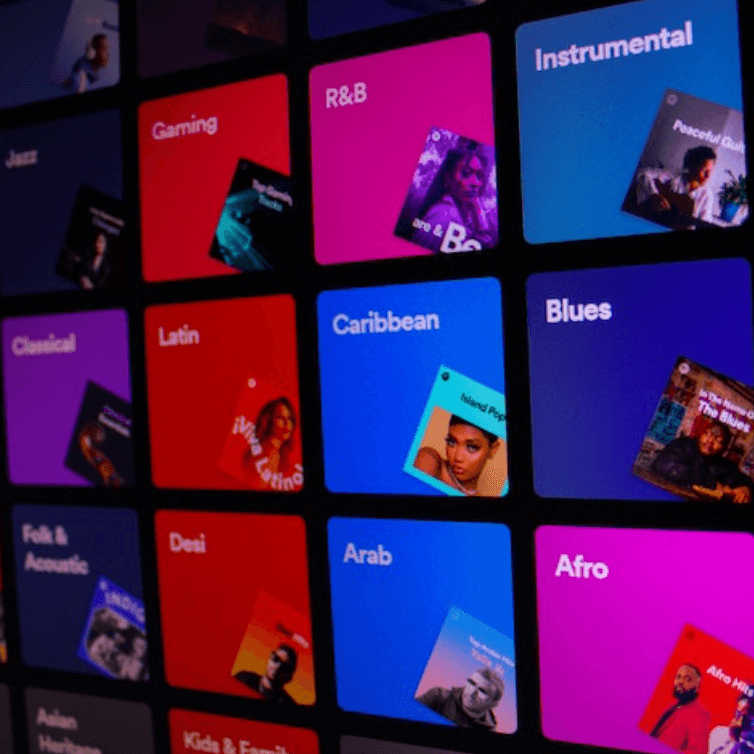
Playlists are one of the main ways for music to get new exposure, and a crucial tool for indie artists. But it’s not as simple as just submitting your song to Spotify’s top playlists anymore. With tens of thousands of songs per day being released per day, it’s important to have strategies on how to best utilize playlisting to gain traction for your music.
On Spotify, there are four types of playlists:
- Editorial: These are curated by Spotify’s in-house team. They tend to have large followings, and are often genre or mood based, such as “Hot Country”, “Today’s Pop”, or “Songs to Sing in the Car”.
- Algorithmic: These playlists are generated by Spotify’s algorithm, which monitors the users listening habits in order to create playlists geared towards their likes. “Discover Weekly” and “Release Radar” are examples of these.
- Personalized: These are a hybrid between editorial and algorithmic playlists. They are essentially “personalized editorial playlists” that have different tracks for different listeners, but are still curated and influenced by Spotify’s team of editors. Examples include “Indie Pop” or “Chill Ballads.”
- User-Generated: These playlists are created and maintained by Spotify users themselves. Many people curate playlists for their own personal enjoyment, but as of late professional playlisters have come into light and gained massive followings / opportunities for artists through their user generated playlists.
Music creators today are largely living in a singles economy because of the way that these playlists prioritize songs over albums. This largely means that if you’re putting out an album or a large chunk of songs at one time, there will probably be songs that don’t get as much traction initially because they don’t end up on playlists. Here are Intercept’s best tips and tricks to properly pitch your songs to playlists:
Research Relevant Playlists
You don’t want to just send your music into the void. Make sure the playlists you reach out to make sense in terms of genre, style, energy, and following, in order to maximize your chances of getting a placement. Also, make sure you pay attention to submission rules and guidelines, as these vary from playlist to playlist.
Write a captivating, personalized pitch for each curator
For user-generated playlists, it’s up to you to reach out for song placement. In order to do so, you want to have a brief, personal, and clear description of the song and you as an artist. {HERE use Intercept example?} is an example.
Submit EARLY, especially for Spotify editorial playlists
Spotify for Artists allows you to pitch your release to the Spotify editorial team so they can place you on playlists. Make sure you submit your music as early as possible (3-4 weeks before the release date) so the curators have ample time to review the music and place it properly.
Schedule out a plan for multiple releases.
Although promoting music is always pressing, you may want to stagger your efforts based on releases and traction. If you’re releasing multiple tracks from an album at different times, plan out when and where you want to put weight on submitting each release to different playlists. We suggest you release music 3-4 weeks apart so the algorithm has time to acknowledge your track for algorithmic playlists, but create a schedule based on releasing music on a regular basis to continue to motivate not only the Spotify algorithm, but also your listeners to invest in your career and not just one song.
Track Your Progress
Listens from playlisting don’t come overnight. It often takes weeks or months to gain traction. Don’t be discouraged, just make sure you keep track of placements and streams. There are many apps that will tell you immediately when your song is added to any playlist, regardless of type. And especially once you’re added to a user generated playlist, be sure to shout out the playlist and follow the curator on socials to create a working relationship.
AVOID SCAMS
With the rapid growth of playlisting comes bots, scams, and people trying to steal your money. Many user-generated playlists have a submission fee which is normal, but just do your best research beforehand. Check out the Playlisters social media, whether their following seems real, and whether other artists have seen results before blindly sending money to get your music on a playlist.
And last but not least, as our friend Jay Gilbert at Your Morning Coffee says, “playlisting is not a marketing plan.” Be sure to round out your playlist efforts with social media campaigns, visual content, advertisement plans, and other music marketing – check out Intercept’s marketing services HERE to help with your next release!